Italian cuisine is an expression of the culinary arts developed on the territory of Italy as well as the totality of its regional culinary traditions. The history of the development of Italian cuisine has been influenced by political and social changes and the different peoples that inhabited the territory of modern Italy. Romans, Greeks, Arabs, Normans, and many others have left their mark on the food culture, which is based on the Mediterranean diet, Intangible Cultural Heritage of UNESCO.
Antique Cuisine in Italy
In tomb excavations, wall paintings have been found depicting lavishly decorated banquets, accompanied by dancing and music, involving both women and men. The taking of food is a moment of pleasure. Roman banquets served extravagant dishes such as flamingo tongues, a variety of seafood, livers of rare animals and birds, covered with expensive exotic spices, to the chords of kifras and the melodies of flutes. This was, of course, the diet of the aristocracy, while the people and slaves contented themselves with their leftovers and vegetables and herbs.
The Middle Ages and Pasta
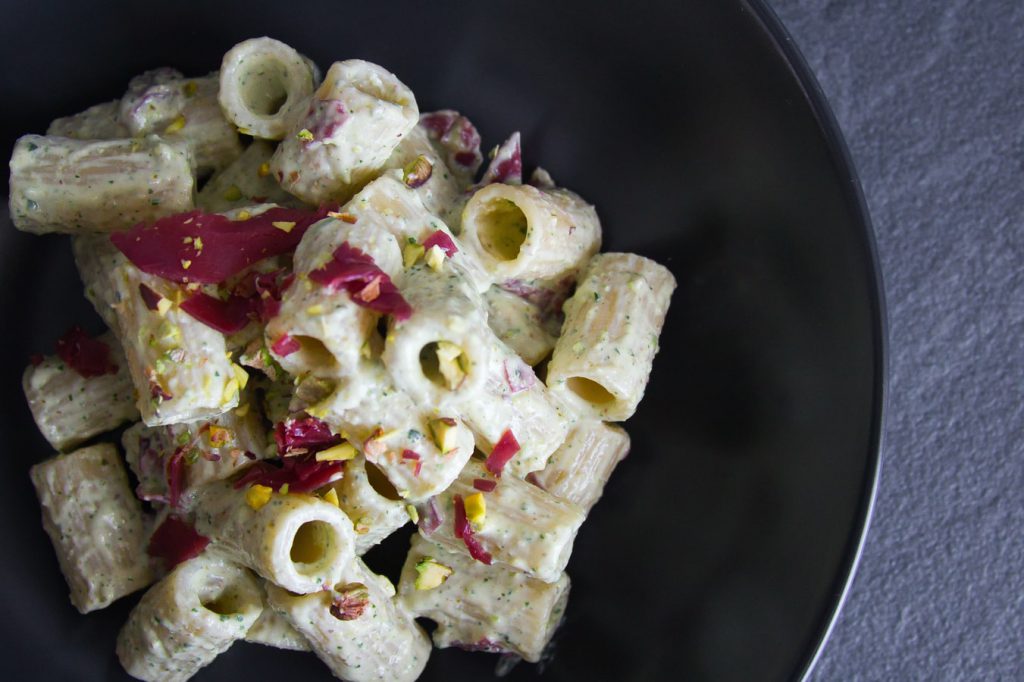
Things developed differently in the peripheral territories of Italy, especially in Sicily, which from the ninth century was colonized by Arabs, who had a significant influence on the culture and customs of the islanders. For example, dried pasta appeared in the diet of the Sicilians. The origin of pasta is probably due to its use as a food by the Arab nomadic population, thanks to its ease of preservation. From Sicily, pasta spread to Genoa, Naples, France, and Spain.
The advent of Christianity did not improve the situation either. The Church perceived the pleasure of food as a sin inseparable from sexuality and passions that led to other vices. Abstinence from food, on the other hand, led to spiritual perfection. Until 1000 the ration of the monasteries was limited to bread, often in the form of flatbread, progenitors of pizza, legumes, greens, some seasonal fruits, and on certain days eggs and cheese.
The tradition of Roman banquets began a gradual revival with the arrival of Charlemagne in 774. He resolved the dilemma of the continuous abstinence of Christian ascetics – fasting began to alternate with feast days, when even the religious authorities could indulge in abundant and varied meals, accepting them as a gift in homage to God and as a form of prayer.
The Renaissance Era and the Rebirth of Traditions
Of course, it had to wait until the Renaissance for the still barbaric accumulations of food at medieval banquets to become harmonious creations. In the 13th century, with the development of city life, with the spread of the Crusades, with the formation of the first industries, thanks to which the heyday of the bourgeoisie took place, special attention was paid to table organization and the enjoyment of food. The search for harmony of taste led to a revival of specific cooking methods, such as baking in the oven, in a pan over charcoal, or in a fireplace.
The ancient art of stewing meat in sauce, using seasonings and decorations is being revived. The restoration of ancient traditions coincided with the introduction of new food elements that enriched the lords’ table – spices, spices, and cane sugar, which the Arabs grew in Sicily. At this time, the tradition of ending a meal with sugar almonds, popular even today on ceremonial occasions, was born.
A real revolution in cookery was caused by the discovery of America in 1492 and the introduction of new products that have become indispensable – tomatoes, potatoes, corn, and turkey meat.
Influence of Geographical Peculiarities on the Italian Cuisine
The main thing that distinguishes Italian national cuisine from others is its diversity, which is its strength and weakness. Differences in climate, geographical and historical peculiarities of Italian regions explain why it is enough to travel just a few tens of kilometers to feel the differences of cuisine in the areas.
Climatic and territorial differences are evident: the Alps, with their typical mountain climate, pass to the continental climate of the Padana Plain, then to the hilly part of the center, the coastal areas on the sides of the boot, up to the southern regions and islands with their temperate climate. These differences not only determine the choice of ingredients-fish near the sea or meat in the depths-but also on the way food is processed.
For example, one of the most typical cold snacks, raw meat, in the Emilia-Romagna region, with its humid climate and relatively cold winters, is traditionally made with minimal salt, which does not affect the quality of preservation of the product. In Tuscany, it is much warmer; more salt has to be used, and even further south. For example, in Calabria, spices are added for better preservation, scorching pepper, which prevents the unpleasant smell of the meat.
Influence of Conquerors on Italian Cuisine
Italy’s history is the main factor that has had the most significant influence on Italian cuisine. The constant division into states and principalities explains the great diversity of regional culinary traditions.
For example, the dishes and typical products of Emilia are based on the traditions of the Lombards and the French, which means that they are dominated by beef and pork meat, butter, and milk. Once one leaves Bologna and approaches Romagna, the cuisine changes radically – cheeses are made from sheep’s milk, lamb’s meat is used, and exclusively vegetable fat – virgin olive oil.
These differences are determined by the historical boundary that runs through the region’s territory, between the kingdom of the Longobards and the state of the Catholic Church, the former engaged in animal husbandry and the latter associated with the tradition of sheep and olive tree growing. And this is just one of the dozens of examples that make Italian cuisine a collection of dozens of regional and local Italian dishes.
Looking at the situation as a whole, this diversity of culinary traditions can only be an advantage. At the same time, this diversity is a problem with Italian cuisine, which is more of a cultural issue. The endless internecine wars between states, municipalities, duchies, and the inability to create a typical Italian mentality prevent somehow creating a unified Italian national cuisine. It continues to be a collection of small regional cuisines, the sum of which does not reach the absolute value it deserves.