
Home Appliances Repair: Top 5 Food Processors Problems and How to Fix Them

A food processor is one of the most versatile appliances in any kitchen. It can shred, dice, chop, and puree a wide variety of ingredients with ease. 

But as with any appliance, food processors are not without their appliance repair problems. In this blog post, we’ll take a look at the three most common problems with food processors—and how to fix them.

Problem #1: The Food Processor is Noisy

This is the most common complaint about food processors, and it’s relatively easy to fix. If your food processor is making more noise than it should, there are a few possible causes.

  • First, check to see if anything is blocking the blades. If the blades are obstructed, they will create a lot of noise as they try to chop through whatever is in their way.
  • Second, make sure that the lid is properly secured. If the lid is not on tight, the food processor will have to work harder to chop the ingredients, and this will create a lot of noise.
  • If that doesn’t work, try moving the food processor to a different surface; sometimes, vibrations from a counter can make noise issues worse.
  • Finally, if your food processor is more than a few years old, the motor may be wearing out, which can cause it to be noisy. If this is the case, it’s time to buy a new food processor.

Troubleshooting your food processor doesn’t have to be a difficult task. With a little bit of patience and some basic knowledge, you can fix this problem yourself. And, if you’re still having problems with any of your home appliances or in need of a repair fridge in Concord, don’t hesitate to contact the appliance repair technician.

Problem #2: The Food Processor is Leaving Chunks in My Food

No one likes bite-sized chunks in their otherwise smooth and creamy dip or soup. If your food processor is leaving chunks behind, there are a few things you can do.

  • First, check to see if anything is blocking the blades or if the blades are dull. If the blades are obstructed, they will have a difficult time chopping through the ingredients evenly. If the blades are dull, it’s time to replace them.
  • Second, make sure that you’re chopping the ingredients into uniform pieces before you add them to the food processor; uneven pieces will not chop evenly.
  • Finally, add liquids slowly while the machine is running; adding too much at once can cause ingredients to get stuck on the sides of the bowl.

Problem #3: The Food Processor is Leaking

A leaking food processor can be a messy problem to deal with. If your food processor is leaking, there are a few possible causes.

  • First, check to see if the bowl or lid is cracked. If either the bowl or lid is cracked, replace it immediately.
  • Second, make sure that the O-ring (the rubber ring that seals the bowl to the base) is properly in place and not damaged. If the O-ring is not in place or is damaged, it will need to be replaced.
  • Finally, if the seal between the bowl and the lid is not tight, this can also cause leaking. To fix this problem, simply tighten the screws that hold the bowl in place.
  • If you’re still having problems with your food processor, contact the appliance repair technician; they may be able to help you troubleshoot the problem or send you replacement parts.

Problem #4: The Food Processor is Smoking

If your food processor is smoking, it’s a sure sign that something is wrong.

Overheated Motor

The most common cause of a smoking food processor is an overheated motor. If the motor overheats, it can cause the oil in the bowl to smoke. 

To fix this problem, unplug the food processor and let it cool for at least 30 minutes. Once it has cooled, check the oil level and add more if needed. If the problem persists, contact the appliance repair technician.

Burned-on Food

Another possible cause of a smoking food processor is burned-on food. If there is burned-on food on the blades or inside the bowl, it can smoke when the food processor is turned on. To clean burned-on food, soak the affected parts in a solution of vinegar and water for 30 minutes. Then, scrub the burned-on food with a nylon brush or sponge.

If you’re still having problems with your food processor, contact the appliance repair technician; they may be able to help you troubleshoot the problem or send you replacement parts.

Problem #5: The Food Processor is Not Turning On

There are a few possible reasons why your food processor might not be turning on.

  • First, check to see if the bowl or lid is properly positioned on the base. If either the bowl or lid is not properly positioned, the food processor will not turn on.
  • Second, make sure that the power cord is securely plugged into the outlet. If the cord is not plugged in all the way, the food processor will not turn on.
  • Finally, if the switch is not in the “on” position, the food processor will not turn on.

If you’re still having problems with your food processor, contact the appliance repair technician; they may be able to help you troubleshoot the problem or send you replacement parts.

Conclusion

Hopefully, this blog post has helped you troubleshoot some of the most common problems with food processors. Remember to check the blades for dullness, chop ingredients into uniform pieces, and add liquids slowly for the best results. 

And if all else fails, consult a professional technician; who may have additional tips for getting your food processor back up and running smoothly.
5 Classic French Dishes You Need to Try

France is known for its delectable cuisine and good reason. From rich and savory sauces to fresh and perfectly-seasoned meats, French dishes are some of the most mouth-watering and complex in the world. 

History of French Cuisine

The history of French cuisine dates back to the middle ages. French cuisine was developed during the reign of King Louis XIV, when chefs from all over Europe came to work in his kitchens. The most famous French dish, the Croque-Monsieur, was invented in this period. 

French cuisine reached its height in the 18th century under renowned chef Auguste Escoffier. Escoffier is credited with inventing many of the classic French dishes that are still popular today, such as Beef Bourguignon and Chicken Lyonnaise.

In the 20th century, French cuisine was further developed by famed chefs such as Julia Child and Paul Bocuse. Modern French cuisine has been influenced by both traditional and international influences. Today, French cuisine is considered to be among the best in the world.

French Cuisine Basics

French cuisine has been shaped by several factors over the centuries. 

  • The country’s geographical location has played a role in its development, as France is situated between the Mediterranean and Atlantic seas. This has resulted in a climate that is ideal for growing a variety of fruits, vegetables, and herbs. 
  • French cuisine has also been influenced by the country’s history and culture. For instance, during the Middle Ages, dishes such as coq au vin and pâté de foie gras were developed due to the popularity of hunting and eating wild game. Similarly, the French Revolution led to the creation of new dishes such as ratatouille and bouillabaisse, which were designed to be affordable and accessible to all citizens.

French cuisine is known for its use of fresh ingredients, classic cooking techniques, and rich flavors. Common ingredients in French cooking include; 

  • butter, 
  • cream, 
  • garlic, 
  • onions, 
  • wine. 

French dishes are often complex and take time to prepare. They are typically served in multiple courses, each designed to showcase a different flavor or cooking technique.

5 Traditional French Foods You Need To Try in France

If you’re looking to add a little je ne sais quoi to your cooking repertoire, check out these five classic French dishes.

Coq Au Vin

This dish translates to “rooster in wine,” and it’s a French classic for a reason. Tender chicken is cooked in a red wine sauce until it’s fall-off-the-bone delicious, making it the perfect comfort food for a winter evening. Serve coq au vin with some boiled potatoes and a side salad for a complete meal.

Crème Brûlée

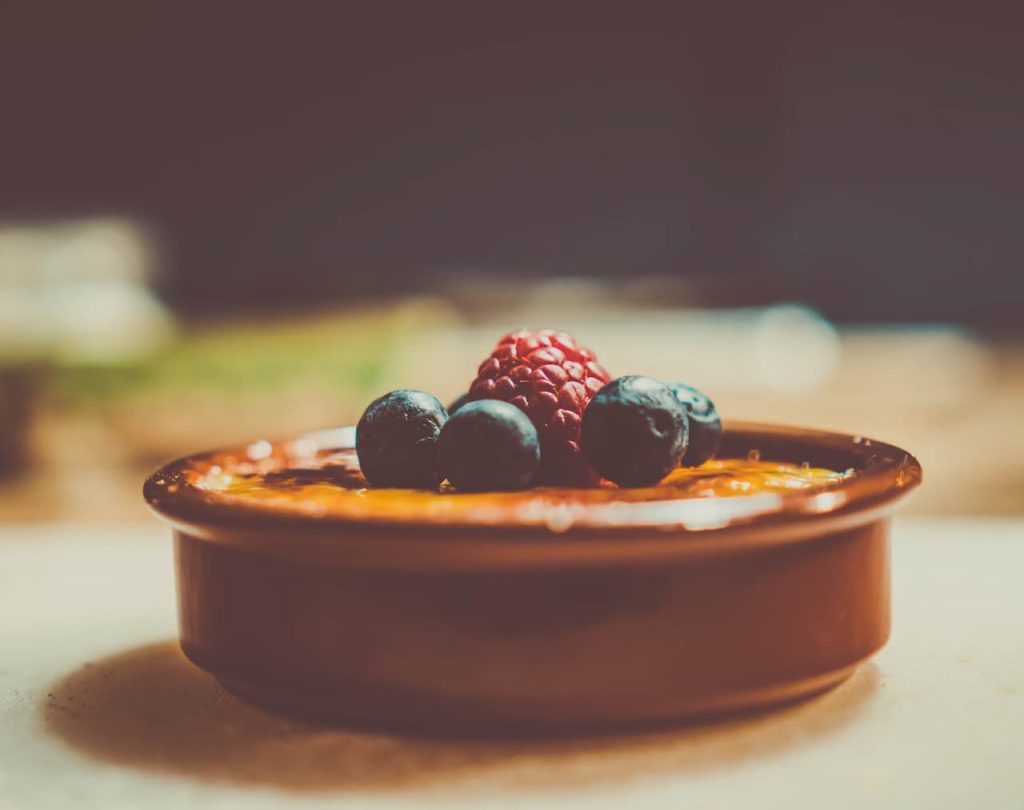
For a special treat, try your hand at crème brûlée, a classic French dessert. This custard is made with heavy cream, eggs, vanilla bean, and sugar, then baked until it’s smooth and creamy. 

The top is then caramelized with a blow torch (or you can put it under the broiler) until it’s nice and crispy. Serve crème brûlée with a fresh Berry or some chocolate shavings.

Boeuf Bourguignon

Boeuf bourguignon is another comforting stew made with beef that has been braised in red wine until it’s melt-in-your-mouth tender. 

Aromatic vegetables like onions, carrots, garlic, mushrooms, bacon, and thyme give this dish its rich flavor. Serve boeuf bourguignon over some mashed potatoes or egg noodles for a hearty meal.

Cassoulet

This dish hails from the southwestern region of France and is traditionally made with duck, pork sausage, and white beans. The beans are cooked slowly until they’re nice and creamy, while the meat is roasted to perfection. 

While cassoulet may take some time to make, it’s well worth the effort. Serve this dish with a green salad and some crusty bread for dipping into the delicious sauce.

French Onion Soup

This soup is the perfect way to warm up on a chilly day. Caramelized onions are simmered in beef broth until they’re nice and sweet, then topped with a piece of crusty bread and melted cheese. Serve French onion soup with a side salad for a light meal.

Conclusion

Whether you’re looking for a comforting stew or a decadent dessert, there’s a French dish out there for you. Ready to try your hand at cooking some classic French dishes? So get cooking and enjoy the flavors of France! Bon appetit!

5 Extraordinary Oils to Add to Your Cooking

Cooking is a passion of many people – some people even consider cooking to be an art. Oils are often the key ingredient in most dishes, and there are many types of oils that can be used. Rare oils, for example, have a more pleasant taste than other oils because they are made from unusual ingredients such as truffles or hazelnuts. Rare oils also tend to have less saturated fat content when compared with other oil types like corn oil or sunflower oil. In this blog post, we will take you through five different types of rare oils so that you can know which one is best for your dish!

Sometimes you cook something for special guests and the cuisine should to be more refined and unusual in this case. What else would surprise them? Try using unusual vegetable oils to add unexpected flavors to both well known dishes and rare gourmet dishes.

Chefs recommend using high quality oils for successful cooking. The flavor and texture of the oil can either make or break a meal. It’s important to know what type of oil to choose for each dish, as not all oils are created equal.

For those looking for something truly unique, consider using one of the many rare oils available. Rare oils are made from specialty ingredients and add a truly unique flavor to any dish. They have a unique scent and can be added at any point during your cooking process: while sautéing vegetables on the stove top; before braising meat or fish; when preparing roasted potatoes (excellent) or aioli (garlic mayonnaise).

Some of the more popular rare oils include avocado oil, truffle oil, sesame oil, canola oil, etc. Truffel oil is infused with truffles, which makes it an excellent choice for those looking to infuse their meals with earthy richness. It works particularly well in cream sauces or over fresh pasta dishes such as fettuccine Alfredo. There are two main types of truffle oil: white and black. White truffle oil is made from the essential oils of Italian white truffles, while black truffle oil is made from the essential oils of French black truffles. Both oils have a pungent, garlicky aroma that can be overpowering if used too liberally. For this reason, it’s important to use them sparingly and only in dishes where their flavor will be appreciated. 

When cooking do not forget the benefits of white truffle oil vs black truffle oil pros. White truffle oil has a delicate flavor that pairs well with seafood, chicken, or pasta dishes. It’s also great for adding depth of flavor to creamy sauces or salad dressings. Black truffle oil is more robust and intense than its white counterpart . It’s perfect for enhancing the flavor of rich meats and other hearty dishes, though it can also be added to pasta or noodles.

If you’re looking for a mild oil that will complement almost any flavor, avocado oil is a great choice. It’s made from cold-pressed avocados and has a light, buttery taste that makes it perfect for salads or dipping sauces. Avocado oil is also high in monounsaturated fats, which are known to be healthy for the heart.

Sesame oil is an unusual but healthy choice for cooking. Sesame seed oil has been used in Asian cuisine for thousands of years and can add unique flavor to all kinds of dishes. It’s made from roasted sesame seeds that have been ground into an oily paste and then pressed out with solvents like hexane (a chemical compound). A small amount goes a long way, so it’s important not to overdo it when using this flavorful ingredient.. 

Canola oil is made from pressed rapeseed and has been very popular in the United States since the 1970s when it was first introduced as an alternative to traditional cooking oils like butter or lard (rendered pork fat).  It has a mild flavor and is low in saturated fats, making it a healthy choice for cooking. It’s also one of the more affordable cooking oils on the market.

When shopping for canola oil, be sure to choose an organic variety if possible. Some commercial canola oils are made with genetically modified rapeseed, which some people believe to be unhealthy. Organic canola oil is made without any genetic modifications and is therefore a healthier choice.

Canola oil is perfect for baking, frying, or sautéing vegetables or meat. It has a high smoke point (the temperature at which an oil begins to break down and produce harmful compounds) so it’s great for deep-frying foods. 

When adding any kind of oil or fat to your dish during the cooking process, you should always use cold ingredients instead of hot ones. This prevents uneven burning or spattering as well as encouraging even distribution throughout your meal. Rare oils are no exception, so always add them to your food at room temperature and use a low heat setting. Rare oils can also be used as finishing oils since they’re poured over cooked dishes right before serving rather than being added during the cooking process.

No matter what type of oil you choose to use, always make sure to select a high-quality option. The better the quality of the oil, the better your dish will turn out. Experiment with different oils to find the ones that work best for you and your cooking style. With these five extraordinary oils in your pantry, you’ll be able to create culinary masterpieces that will amaze your family and friends.

Spanish Cuisine: 5 Most Popular Dishes

Modern Spanish cuisine differs in every region of the country. People in Spain do not have universal recipes, hence almost every community adopted its way to cook the same dish. Even so, all Spanish cooks have common habits. The things that do not vary across the country are heavy usage of olive oil and garlic, adding herbs (thyme, oregano, and rosemary), and flavoring with vegetable sauces.

Consequently, despite the different tastes and recipes, there are still common dishes that Spanish people eat. Those are the dishes that the whole world knows and loves. Which are the five most popular meals to try in Spanish cuisine? Read below.       

Gazpacho

One of the most popular dishes in Spain is gazpacho. The spreading of the meal started from Andalusia (southern region of Spain), and slightly different recipes are prevalent in Malaga and Cordoba regions. Despite the differences in the recipe, tomato and green pepper are the two main ingredients in this cold (rarely hot) soup. In some variations, watermelon is the main ingredient. It always has a liquid base with vegetables such as tomatoes, cucumbers and pepper, which are blended with olive oil, garlic, and onions. Interestingly, despite its liquid base, Spanish cookbooks distinguish the dish as a salad. Other recipes include bread and almonds or vinegar. It may also be served with diced hard-boiled eggs.

Paella

The gastronomic heritage of Spain also includes paella. Although mixing rice with meat or vegetables is widely popular in Arabic, Indian, and other traditional cuisines, experts recognise paella as Valencian food (eastern coast of Spain). 

The legend says that the dish was invented by a servant at the royal palace who put together  the left-overs from a banquet in a big owl. However, the modern version of the dish was created by field workers near Valencia, who would add vegetables and meat to their rice during lunch. 

Today the most common way to cook paella is by mixing boiled rice with saffron, vegetables, and different types of meat or seafood. In Spain, people traditionally cook it in a large round pan on an open fire and eat it right out of the pan.

Tortilla Española

Tortilla española or Spanish omelette started its history during The Carlist wars in the 19th century. It became popular among Spanish people due to the cheap and available ingredients that tortilla requires. Adding potatoes to the omelette made the dish more nourishing and affordable. 

You can try tortilla españolain in almost every Spanish restaurant today. Although additional ingredients may vary in some regions, the base of tortilla española consists of potatoes, eggs, onion, salt, and olive oil. It perfectly goes as the main course or a simple snack and can be eaten at any time. Another great advantage of Spanish omelette is the endless options of serving it. You can eat it hot or cold, with vegetables or sauces.    

Pisto

Another well-known Spanish dish that is comparable to the French ratatouille is pisto. The word “pisto” itself came from the Latin word “pistus” (crushed). The dish was originally introduced in the central part of Spain, but later gained popularity all over the country and abroad. Although the initial recipe included only eggplants, garlic and olive oil, nowadays it consists mostly of tomatoes and bell peppers.

The ingredients for modern pisto:

  • Tomatoes
  • Green pepper
  • Red pepper 
  • Zucchini 
  • Eggplant
  • Garlic
  • Onion
  • Olive oil
  • Sugar
  • Salt
  • Pepper 

All the vegetables should be chopped or diced and then cooked in a pan. Cooks often serve pisto with warm bread or even cheese and fried egg. But generally, it is an excellent choice for vegans. 

Churros

Sweet fried dough with liquid chocolate is widespread not only in Spain and Portugal but also in Mexico, Brazil, Argentina and other countries of South and Central America. Yet, the Iberian Peninsula has been considered as a place of origin for churros. Researchers are still arguing over theories of how churros were invented, but it happened in the 16th century. 

Today, every Spanish-speaking country has its way of making them. For example, Spanish cooks cover churros with sugar and serve with melted chocolate. Mexicans use cinnamon and sugar for coating, and then top it off with chocolate, cream, or caramel. 

Despite differences in serving and coating, the recipe of dough remains universal. You need water, melted butter, sugar, vanilla, eggs, cinnamon, and salt. Then, the dough is fried in sunflower oil.  

To Sum Up

The Italian and French cuisines have been most popular around the world for many years. Which is unfair, considering the distinctive taste of Spanish dishes. Many of them are prepared today using the same recipes and ingredients as hundreds of years ago. 

If you want to get acquainted with rich and interesting Spanish history, you should start with the cuisine of Spain.

Find Out How To Make The Most Popular Cocktails Among Gamblers

 Gambling houses are considered to be one of the most popular forms of entertainment in Germany. At the same time, the pandemic has influenced land-based casinos just as severely as cinemas, theaters, and other places people visit to have fun and relax. These days, there are a lot of restrictions within the casino industry; consequently, many gamblers opt for online casinos. But who says you can’t make yourself a fancy cocktail if you aren’t in a “real” casino? 

Cosmopolitan is one of the most favorite cocktails worldwide — and German gamblers like to drink it while making bets at Cosmo Casino as well. There are more tasty cocktails, though. In this article, you will find a few recipes for the most delicious drinks. All of these cocktails are easy to make, and you can buy ingredients in the usual grocery store. 

Cosmopolitan

This cocktail is well-known worldwide, so nothing is surprising that there are a few variations of this drink. Ours is one of the tastiest. To prepare this delicious drink, you need:

  • Vodka (ideally, citron vodka) – 60 ml
  • Cranberry juice – 125 ml
  • Cointreau – 30 ml
  • Lime juice – one tsp
  • Crushed ice

You need to put all the mentioned ingredients in a shaker. Your goal is to cover it and shake the cocktail until the outside of the shaker becomes extremely cold. It should take around 25 seconds. After that, strain the drink through a slotted spoon into a glass. Orange twist can be used to garnish the cocktail.

If you don’t have cranberry juice, replace them with raspberries — don’t shake them into a jam, just smash a little bit. Cointreau can be replaced via Combier or any other orange alcoholic water. But that, of course, would be not a classic version of a cocktail. 

Berlin Style Beer Mix Drink 

The cocktail is a bit sour, and it is also a low-alcohol drink. It is actually a type of beer, which is also known as Berliner Weisse. German people love making it with or without some raspberry syrup or some woodruff. It is still one of the most favorite drinks in Germany since the 17th century — even though a lot of ready-to-drink light beer mixes exist out there. 

To prepare it, you need light Ale beer and either raspberry syrup or woodruff, which depends on your preferences. Put the syrup into a glass with a stem and pour some beer into it. Then, you need to mix it well. That’s it. If you want it super cold, chill it overnight. 

Radler

The name of this cocktail means ‘cyclist’ in German. It’s a drink from Bavaria, refreshing and a bit sweet — Radler was created to refresh bicyclists during the summer heat. However, this delicious drink has become a part of ordinary people’s evenings in summer and during other seasons in Germany. The cocktail includes only two ingredients — Radler is half lemonade, half beer.

Thus, it is required to take one portion of lemon-lime citrus soda, which can be 7 Up or Sprite, and pour in one equal portion of the Helles beer. Enjoy!

Rumplesnuggler 

Unlike the above-mentioned cocktail, which is perfect for hot weather, this one is more suitable for winter. There are a lot of variations of this drink too, but it is always a drink that combines hot chocolate and Peppermint Schnapps. Also, you can decorate it with some whipped cream if you want.

The ingredients list includes:

  • Cocoa powder
  • Milk
  • Sugar
  • Water
  • Salt
  • Vanilla
  • Peppermint Schnapps

You need to mix salt, cocoa powder, and sugar in a pot and pour some boiling water inside. Wait until the mixture is simmering and the sugar is dissolved, then add milk. When the mixture is warm enough, it must be removed from heat. The next step is to pour the hot chocolate into mugs and add the ingredient, which makes it the cocktail we need – Peppermint Schnapps (from Baileys or Rumple Minze). 2 oz of this liquid is enough. It will taste cold and bright on your tongue at the beginning because of the mint, and warm and sweet afterward — because of the chocolate. 

As mentioned before, you can put some whipped cream on top of the cup if you like. Apart from that, you can replace the hot chocolate with Irish coffee — but then again, it will be a non-conventional variation of Rumplesnuggler.  

Spiced Apple Beer Punch   

This drink is also easy and quick to prepare, so it will not take much time out of your dedicated gambling timetable. It’s also good to drink for any time of the year.

To prepare this delicious beverage, you need:

  • Apple juice – 300 ml
  • Ginger ale – 300 ml
  • Cinnamon stick – 1
  • Star anise – 2
  • Cloves – 3

Take a big saucepan and fill it with apple juice. Then you need to add the rest of the ingredients, except for the ginger ale. The mixture needs to be brought to a simmer and kept there for five minutes.

Then, turn the heat off and leave the liquid for five minutes to settle in the saucepan. Before pouring ginger ale in, remove the spices. Then, mix it up, pour the cocktail into glasses and enjoy.

Kirsch Royale 

A good glass of this drink will definitely help you relax and damp down the agitation the good card game usually brings to life. Here’s what you are going to need:

  • Kirsch – 15 ml
  • Sparkling wine or champagne – around 90 ml
  • Cherry syrup – 30 ml
  • Cherries in syrup – 2

Mix syrup and kirsch in a mug and pour it into glasses. Then, add the champagne or sparkling wine on top of the kirsch, and decorate the cocktails with cherries. The beverage does not need to be chilled, and no ice cubes are required. 

There are many more cocktails people like to have in casino settings (gin and tonic, rum and coke — classic), but remember that it’s not recommended to consume a lot of alcohol when gambling. So: gamble — and drink — responsibly. And have fun!