
From Street Food to Fine Dining: The Journey of Iconic Recipes

Have you ever wondered how a simple dish sold on a bustling street corner can transform into a gourmet masterpiece served in Michelin-starred restaurants? Food has a fascinating way of evolving, often reflecting the cultural, economic, and social changes of society. What starts as a humble, everyday meal can, through innovation and refinement, become a symbol of luxury and exclusivity. But what makes a dish worthy of such a transformation? Is it the quality of ingredients, the artistry of chefs, or simply the passage of time that elevates street food to fine dining?

The journey of iconic recipes from street food stalls to prestigious restaurants is an intricate dance between tradition and reinvention. This transformation does not happen overnight but rather through generations of adaptation, experimentation, and refinement. Let’s explore how some of the world’s most beloved street foods have made their way onto the finest dining tables.

Humble Beginnings: The Power of Simplicity

Street food is, at its core, an expression of necessity. Many of the world’s most famous dishes were born out of a need for quick, affordable, and flavorful meals for workers, travelers, or the urban poor. The simplicity of these dishes often belies their deep cultural roots and complex flavors.

Consider tacos, a staple of Mexican street food. Originally a simple meal for miners and laborers, tacos have been enjoyed in their most basic form—grilled meat, fresh tortillas, and a splash of salsa—for centuries. Over time, they have been elevated into gourmet experiences, with high-end restaurants offering versions filled with Wagyu beef, black truffle, and caviar.

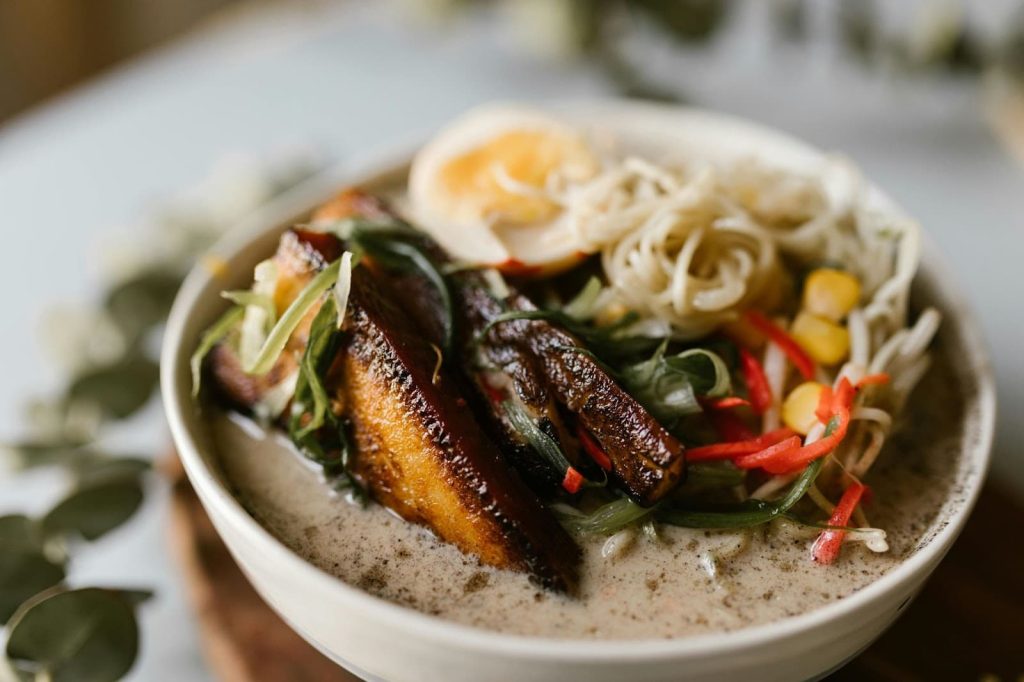
Similarly, ramen, once an inexpensive comfort food for the working class in Japan, has been transformed into a high-art cuisine in restaurants worldwide. Chefs now dedicate years to perfecting broth recipes, selecting the finest noodles, and curating toppings that enhance the dish’s umami profile.

Refinement and Reinvention: The Fine Dining Transformation

What sets apart a street food dish from its fine-dining counterpart? The transformation often comes down to three key factors: ingredient quality, preparation techniques, and presentation.

  • Ingredient Quality – High-end restaurants have access to premium ingredients that are often unavailable to street vendors. A simple burger, when made with dry-aged beef, artisanal cheese, and a brioche bun, becomes a gourmet experience.
  • Preparation Techniques – The precision and attention to detail in fine dining elevate dishes to another level. Chefs use techniques like sous-vide, molecular gastronomy, and fermentation to enhance flavors and textures.
  • Presentation – While street food is often served in a grab-and-go format, fine dining transforms the same dish into a visually stunning experience. The same dumpling eaten on a street corner may be served in a dimly lit restaurant on fine porcelain with delicate garnishes.
food

Take sushi as an example. Originally a fast, cheap meal for Japanese fishermen, sushi has become a luxury experience, with top-tier restaurants offering hand-crafted nigiri made with fish flown in daily from Tokyo’s Tsukiji market. The journey from a quick snack to a $500-per-person omakase experience is nothing short of remarkable. Iconic Street Foods and Their Fine Dining Versions

Street FoodOriginFine Dining Equivalent
TacosMexicoWagyu tacos with truffle and gold leaf
RamenJapanTruffle-infused ramen with slow-cooked Wagyu
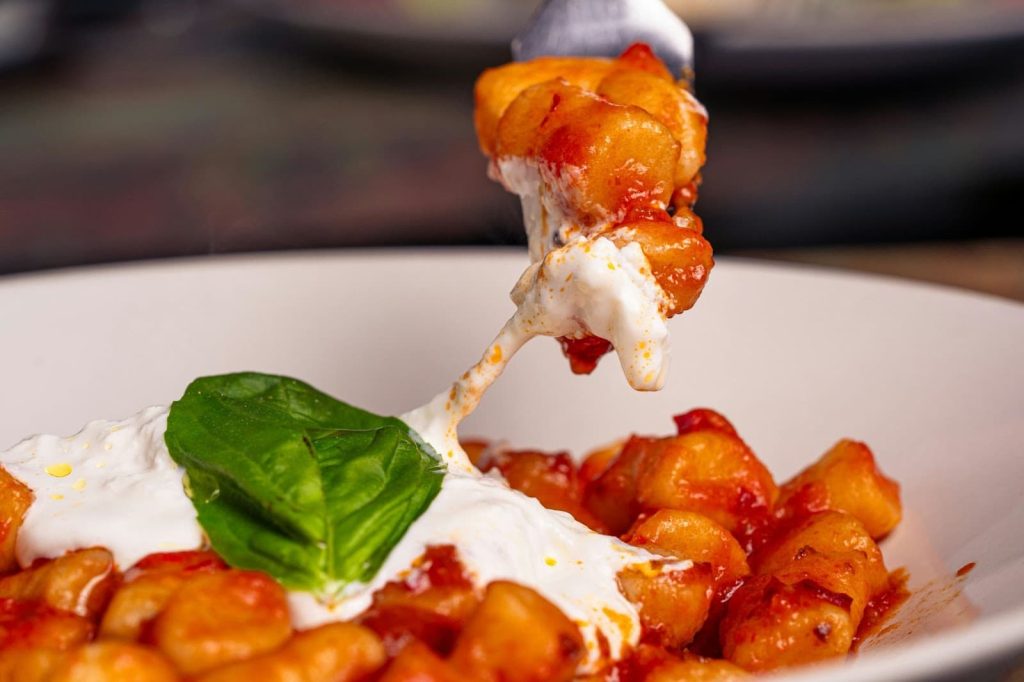
PizzaItalyBlack truffle and burrata pizza with sourdough crust
SushiJapanMichelin-starred omakase sushi with aged fish
BurgersUSAKobe beef burger with foie gras and aged cheddar

Why Do Some Dishes Make the Leap?

Not all street foods achieve fine-dining status. Some remain humble despite their popularity. What makes the difference?

  • Versatility – Some dishes, like pizza and tacos, are incredibly adaptable, allowing chefs to experiment with flavors, textures, and ingredients.
  • Cultural Influence – Foods with deep cultural significance often find their way into fine dining as a way to preserve heritage while pushing culinary boundaries.
  • Popularity & Demand – When a dish becomes globally beloved, the desire to elevate it increases. Food lovers want both authenticity and innovation.

A fascinating example is fried chicken. Once seen as a cheap and greasy fast-food item, it has been transformed in restaurants like Eleven Madison Park into a fine-dining delicacy, brined for days, fried in clarified butter, and served with gourmet sauces.

The Eternal Evolution of Food

Food is never stagnant—it continuously evolves. What was once a necessity may become a luxury, and today’s fast food could be tomorrow’s gourmet delicacy. The journey of street food into fine dining is not just about elevating ingredients or using elaborate techniques; it’s a tribute to culinary heritage and a celebration of creativity.

So the next time you enjoy a simple, delicious meal from a street vendor, ask yourself—could this dish be the next big thing in haute cuisine? After all, isn’t the magic of food its ability to surprise, delight, and adapt to the ever-changing tastes of the world?

FAQ

Why do some street foods remain unchanged while others become gourmet?

Some dishes are so perfect in their simplicity that changing them would take away their essence, while others have room for creative reinvention.

What is an example of a failed attempt to elevate street food?

Some high-end takes on hot dogs, using foie gras or gold flakes, have been criticized for losing the original charm and accessibility of the dish.

Could fast food ever become fine dining?

Absolutely! With the right ingredients, presentation, and culinary techniques, even a humble cheeseburger could one day be served with a Michelin star.
How Molecular Gastronomy is Changing the Way We Eat

Food has always been a vital part of human culture, but in recent years, culinary science has revolutionized the way we experience flavors, textures, and presentations. Molecular gastronomy is changing the way we eat by transforming ordinary ingredients into extraordinary dishes through innovative techniques. This culinary movement goes beyond traditional cooking, merging chemistry, physics, and artistry to create unexpected sensory experiences. But is it just a trend, or is it reshaping the future of dining?

Just as innovation in the culinary world evolves, the digital world is also pushing boundaries, particularly in online gaming. Platforms like https://casinossinlicenciaespana.com/casinos-con-retirada-instantanea/  are changing the landscape of online gambling by offering instant withdrawals, much like how molecular gastronomy is reshaping how we perceive food. But what exactly is molecular gastronomy, and why is it revolutionizing our plates?

The Science Behind Molecular Gastronomy

Molecular gastronomy is not just about fancy plating or using high-tech kitchen gadgets—it is a scientific approach to cooking that explores how ingredients react under different conditions. This technique allows chefs to manipulate textures, enhance flavors, and even change the way food is consumed.

  • Spherification – Turning liquids into small, caviar-like spheres that burst with flavor.
  • Foams and Emulsions – Creating airy, flavorful foams using lecithin or siphon canisters.
  • Flash Freezing with Liquid Nitrogen – Instantly freezing ingredients to create unique textures.
  • Gelification – Transforming liquids into gelatinous forms without traditional gelatin.
  • Sous-vide Cooking – Using precise temperature control to cook food evenly while preserving moisture.

These techniques allow chefs to take simple ingredients and turn them into something entirely unexpected. Imagine eating a deconstructed lemon tart, where the lemon filling is a delicate foam, the crust is a dust-like powder, and the sugar appears as edible glass. This is the magic of molecular gastronomy—it makes eating a full sensory adventure.

Molecular Gastronomy in Fine Dining and Everyday Cooking

Once exclusive to high-end restaurants, molecular gastronomy is now influencing everyday cooking. With the availability of affordable kitchen tools like immersion circulators and foaming agents, even home chefs can experiment with these innovative techniques. But how is it affecting the way we eat on a larger scale?

  • Fine Dining Innovation – High-end restaurants worldwide, such as El Bulli and Alinea, have embraced molecular gastronomy to craft multi-course meals that surprise and delight diners.
  • Home Cooking Revolution – More people are using sous-vide machines, food dehydrators, and liquid nitrogen to bring science into their kitchens.
  • Cocktail Industry Transformation – Mixologists use molecular gastronomy to create smoked cocktails, frozen foam toppings, and drinks that change flavors as they are consumed.
  • Health-Conscious Culinary Trends – Scientists are using molecular techniques to enhance the nutritional value of meals by controlling ingredient compositions with precision.

Molecular gastronomy is not just about impressing diners with dramatic presentations—it is also about improving food quality and efficiency. This scientific approach allows for healthier, tastier, and more sustainable meals, making it a crucial part of modern culinary evolution.

Traditional Cooking vs. Molecular Gastronomy

AspectTraditional CookingMolecular Gastronomy
Texture ControlLimitedHigh precision using science
Temperature AccuracyApproximateExact with sous-vide and flash freezing
Ingredient UseConventionalInnovative (foam, spherification, etc.)
PresentationStandard platingArtful, interactive, and surprising
Flavor EnhancementsNatural seasoningChemistry-based amplifications
AccessibilityCommon in home kitchensExpanding to home cooking but still elite

The Future of Food: Is Molecular Gastronomy Here to Stay?

Some critics argue that molecular gastronomy is more about showmanship than practicality, but its impact on the culinary world is undeniable. What does the future hold for this science-driven cuisine?

  • Sustainability Advancements – Scientists are exploring molecular techniques to create plant-based proteins that mimic meat perfectly.
  • Space Exploration and Food Preservation – NASA and food scientists use molecular gastronomy to develop meals for astronauts with maximum flavor and nutrition.
  • Personalized Nutrition – Advances in food science could lead to tailor-made diets using molecular techniques to meet specific health needs.
  • Fusion with AI and Robotics – AI-driven molecular gastronomy could lead to automated, highly personalized meals in the future.

As science and technology continue to progress, molecular gastronomy will likely play an even bigger role in shaping the way we eat. Whether it remains a niche for high-end dining or expands into everyday kitchens, one thing is certain—it has already changed our perception of food forever.

The Delicious Intersection of Science and Art

Molecular gastronomy is more than a trend; it is a testament to human curiosity and the desire to push culinary boundaries. By blending science with art, it has turned cooking into an interactive, multisensory experience. Whether you find it fascinating or unnecessary, one cannot deny its impact on the way we approach food.

So next time you sit down to eat, ask yourself—how could science make this meal even more exciting? Could your morning coffee be turned into edible spheres? Could your soup become a foam? The possibilities are endless, and that is what makes molecular gastronomy so thrilling.

FAQ

How does molecular gastronomy affect the way we perceive flavors?

Molecular gastronomy enhances flavors by isolating and intensifying taste elements, creating a more immersive sensory experience.

Can molecular gastronomy techniques be used to make food healthier?

Yes, scientists use molecular techniques to reduce fat, control sugar levels, and enhance nutritional content without compromising taste.

What is an unexpected industry that has benefited from molecular gastronomy?

The perfume industry has adopted food encapsulation techniques to create longer-lasting fragrances.